The start of a new year brings fresh possibilities—including the chance to find a home that reflects not just where design has been, but where it's headed. As homebuyers in Northern Colorado explore their options for 2026, understanding current design trends helps them identify homes that feel both timeless and decidedly now.
Lisa White, President and Lead Designer at Windmill Homes, has been watching as design preferences shift. Here are her predictions for the six key trends that will shape designer-crafted homes in 2026:
-
Cohesive, themed design throughout the home
-
Earthy, natural color palettes
-
Spaces with personality and life
-
Wellness-focused design elements
-
Thoughtfully integrated smart home features
-
Sustainable, quality materials
Cohesive, Themed Design Throughout the Home
The era of mismatched room-by-room aesthetics is fading. House Beautiful's 2025 design showcase demonstrates "whole-home harmony" as a defining characteristic of contemporary interiors, where each space flows naturally into the next rather than presenting jarring style shifts.
This doesn't mean every room looks identical—it means design choices build on each other. A home might feature clean-lined cabinetry in the kitchen, echoed in the bathroom vanities, complemented by consistent hardware finishes, and tied together through a unified color palette. The result feels intentional rather than assembled from a catalog.
For homebuyers, this cohesion creates spaces that feel professionally designed without requiring hours of coordination. The work of matching finishes, ensuring color harmony, and creating flow between rooms is already complete.
Earthy, Natural Color Palettes
The cool gray palette that dominated the previous decade is giving way to warmer, more organic tones. Sherwin-Williams' 2025 Color Capsule, featuring nine essential colors including warm neutrals like Malabar and Grounded, signals this broader shift toward colors that connect us to the natural world.
Interestingly, Pantone's 2026 Color of the Year takes a different approach—Cloud Dancer, described as an "ethereal white" that represents "clarity and reflection." While this minimal approach has its place, Lisa sees homeowners gravitating toward more grounded, natural tones that create warmth rather than the stark simplicity of all-white interiors.
Green has emerged as the defining color of this generation of homeowners. Design experts surveyed by House Beautiful note that various shades of green—from sage to forest to olive—appear consistently in both residential and commercial spaces. Unlike the trendy accent wall, these greens serve as foundational colors that last
Accompanying this green wave are creamy neutrals, soft terracottas, warm beiges, and muted earth tones that create inviting, grounded interiors. DecorMatters' 2025 trend analysis identifies colors like mocha brown, terracotta, and olive green as "redefining how warmth looks and feels at home." These colors reference the Colorado landscape—the tones of sandstone formations, prairie grasses, and piñon-covered hillsides.
For homeowners, these color palettes offer flexibility. Earthy neutrals create a backdrop for personal style without dictating rigid aesthetic choices. You can layer in textiles, artwork, and furniture across a range of styles, confident that the foundation supports rather than fights your additions.
Bringing Life Back Into Spaces
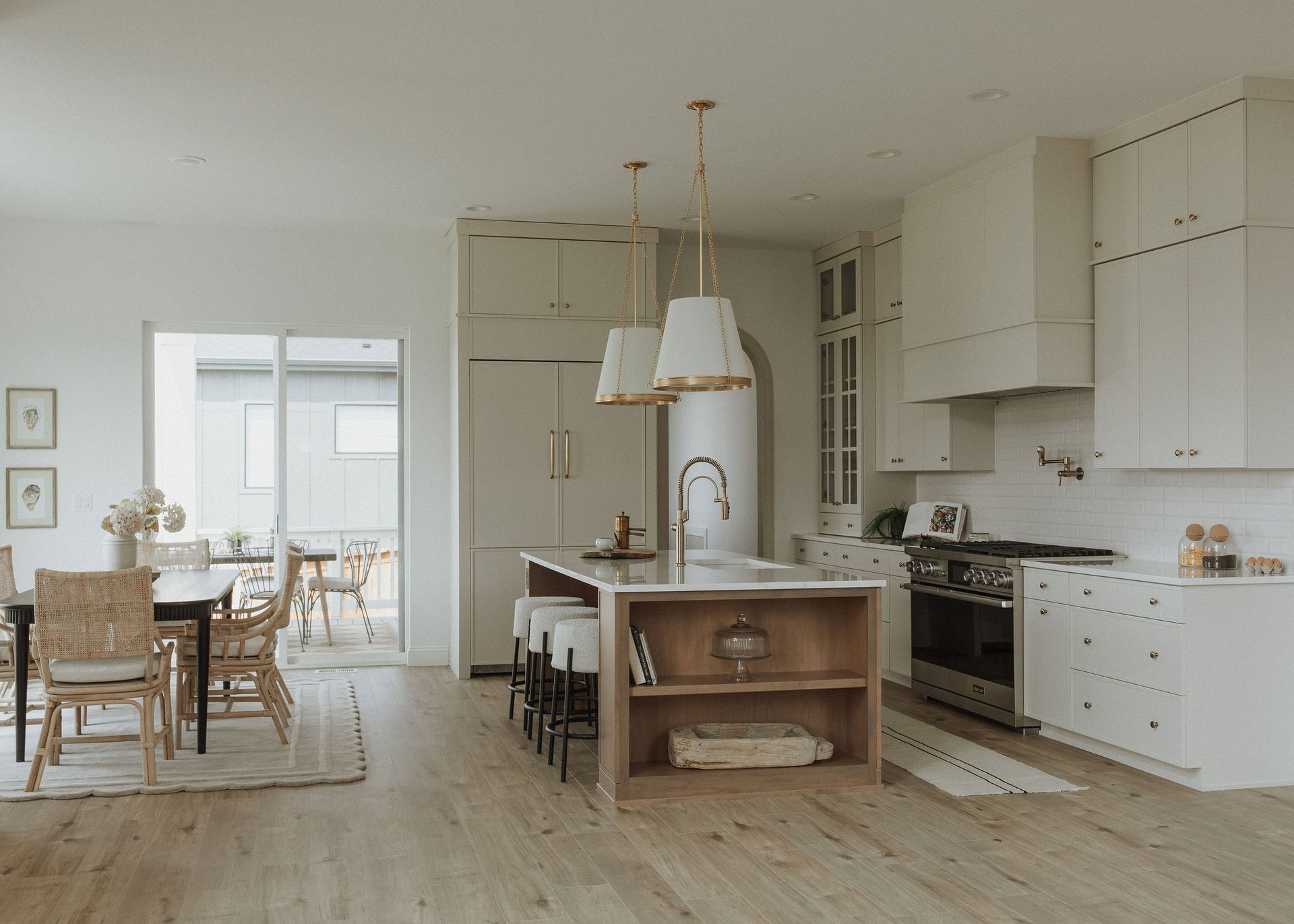
There's a growing rejection of what designers call "builder basic"—those generic, lifeless spaces that could exist in any suburban development anywhere. House Beautiful's trend forecast emphasizes "personality-forward spaces" that prioritize texture, warmth, and individuality over sterile perfection, with designers noting that "gone are the days when everyone has the same cookie-cutter kitchen."
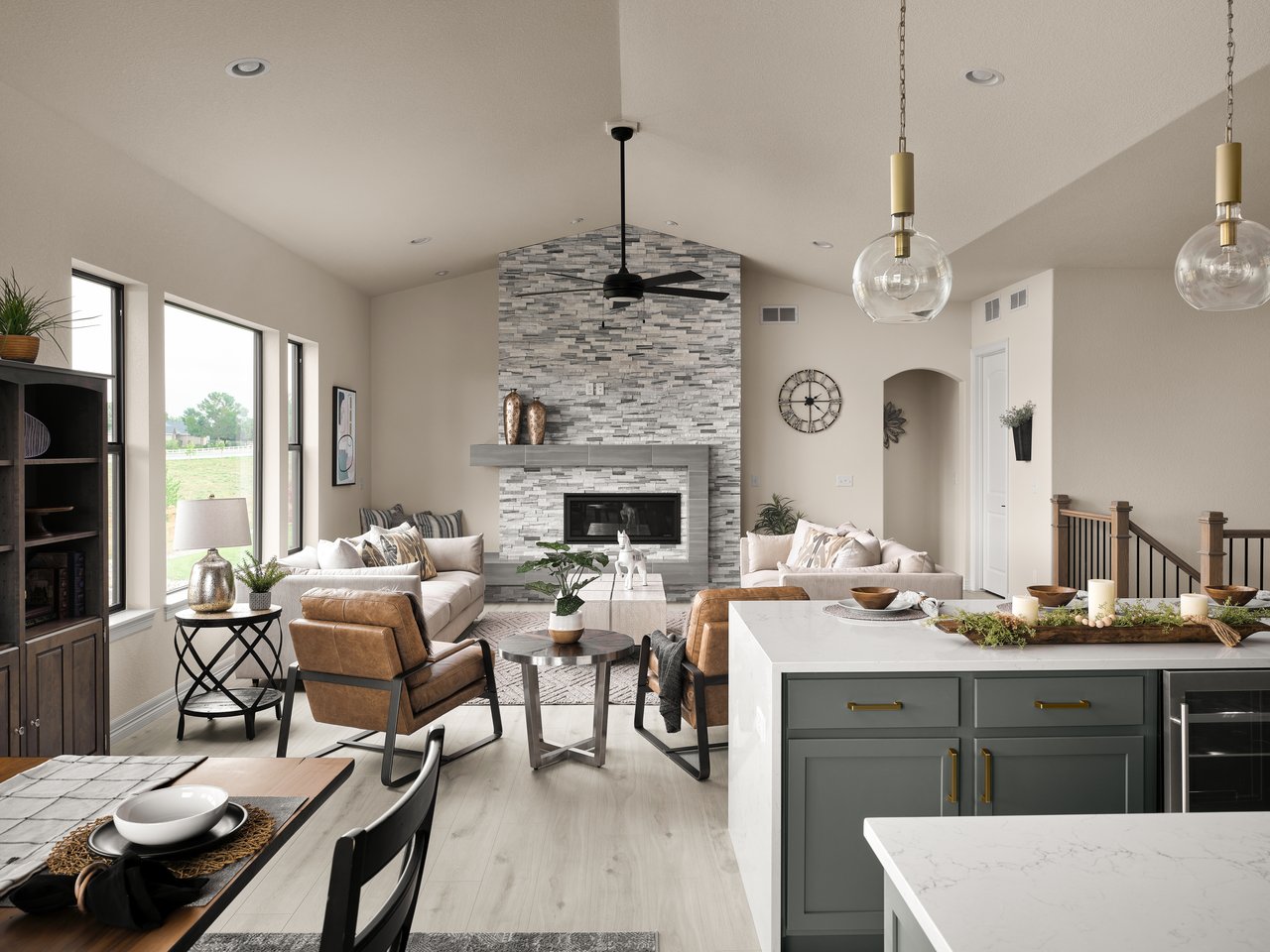
This shows up in homes through varied textures: the grain of stained cabinetry, subtle patterns in quartz countertops, the warmth of wood-look flooring. Knockdown drywall texture adds dimension to walls. Architectural details at windows provide interest rather than builder-basic wrapped corners.
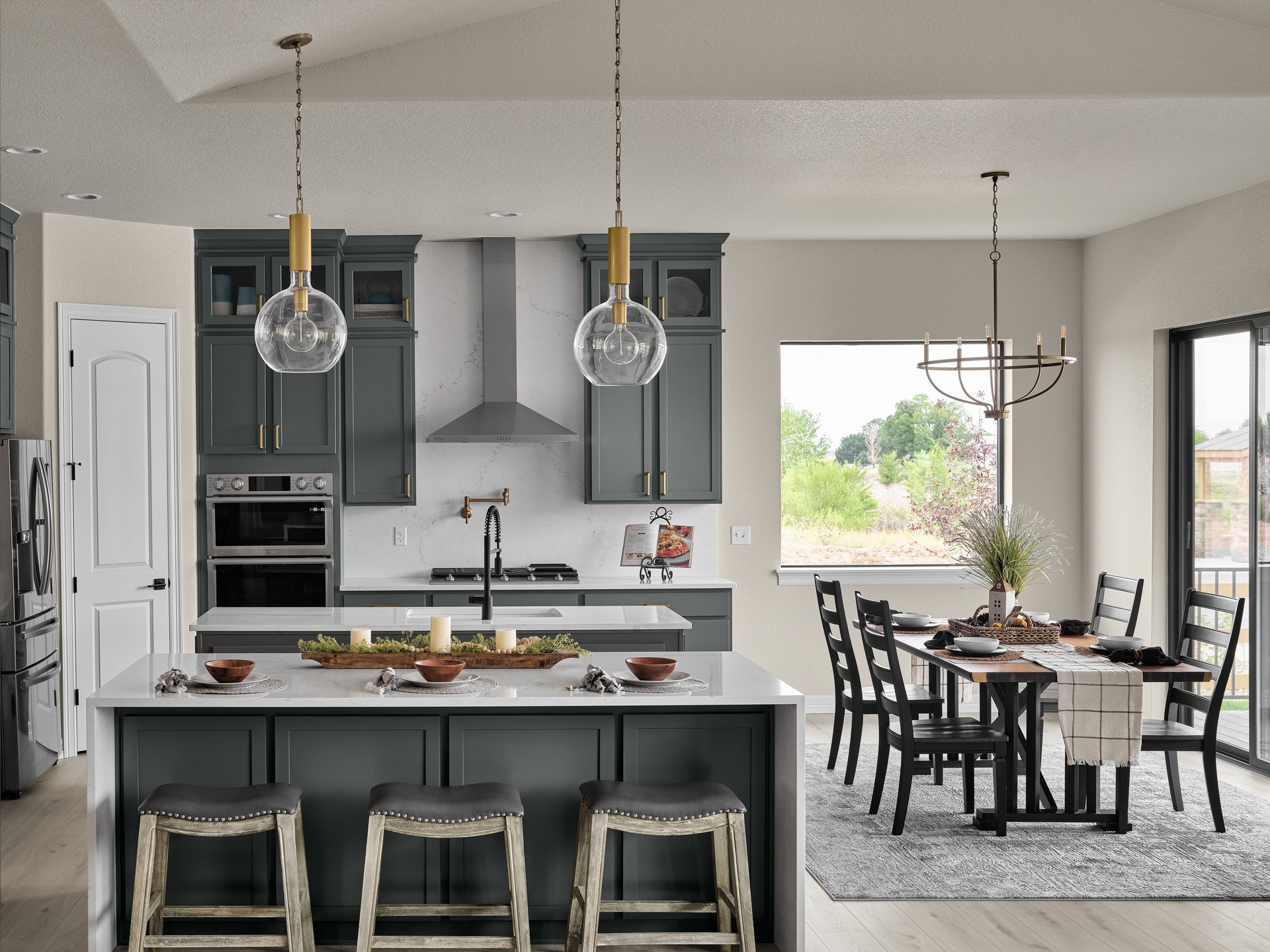
In kitchens, this philosophy means moving beyond the stark white-on-white aesthetic that can feel cold and institutional. The combination of stained upper cabinets, quality countertops, and well-selected appliances creates depth and visual interest.
Primary bathrooms exemplify this "lived-in" warmth with spa-like 5-piece layouts, textured tile surrounds, and adult-height vanities that balance functionality with design appeal.
Wellness-Focused Design Elements
The connection between our physical environments and mental well-being continues to drive design decisions. Research shows that biophilic design elements—those that connect interiors to nature—significantly promote wellbeing and reduce stress in residential settings. Studies have found that biophilic design positively influences physiological comfort, with measurable reductions in stress markers.
This wellness focus manifests in multiple ways:
-
maximizing natural light
-
improving indoor air quality
-
creating seamless indoor-outdoor connections
-
designing spaces that support both activity and rest
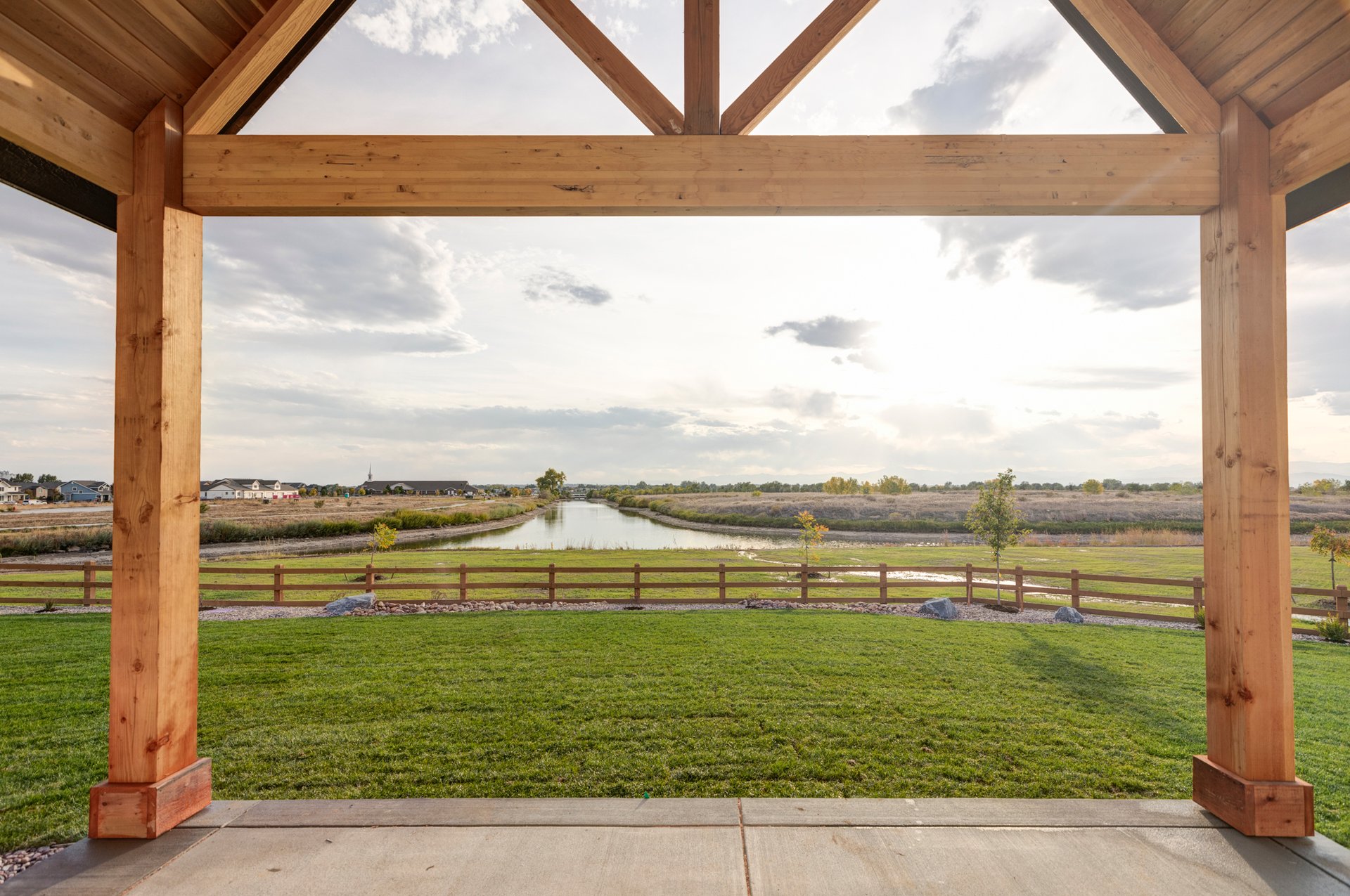
Windows that maximize natural light while maintaining energy efficiency create bright, uplifting spaces. Covered porches and patios encourage outdoor time and connection to Colorado's natural setting.
Beyond individual homes, walkable community design matters. When residents can walk to trails, downtown shops and restaurants, and community green spaces without driving, it supports the active lifestyle that contributes to improved mental and physical health.
Thoughtfully Integrated Smart Home Features
Smart home technology has moved past the early adopter phase into mainstream expectation—but the focus has shifted from gadgets to thoughtful integration that enhances life without overwhelming it. Forbes' 2026 smart home forecast emphasizes that "automation in 2026 should be less about app taps and voice commands, and more about your house already knowing what you want," with local control and seamless device communication taking priority.
The most useful smart features are the ones homeowners actually use: programmable thermostats for climate control and energy management, lighting dimmers that support different activities and moods, and pre-wiring that allows technology to live where families actually gather—kitchen islands, home offices, entertainment spaces.
The infrastructure matters most. Robust electrical service (200-amp systems significantly outperform older homes), EV charging capability, and proper wiring for home offices and entertainment create flexibility as preferences evolve, without requiring major electrical work or workarounds later.
Sustainable, Quality Materials
Sustainability has evolved from a niche concern to a baseline expectation—but the focus has shifted from performative green features to genuine longevity and quality. The National Association of Home Builders' 2024 sustainability report found that durability and long-term value now outrank trendy finishes as purchase priorities, with nearly 80% of home buyers considering sustainability when purchasing. NAHB's 2024 homebuyer survey revealed that 66% of buyers want durable materials in their homes, with many willing to pay premium prices for features that offer long-term value.
Quality materials often look better—and they continue looking good decades later. Dimensional shingles rated for 30 years provide genuine weather protection. Tankless water heaters with recirculation deliver efficiency alongside performance. Fixtures with lifetime warranties represent confidence in longevity.
For homebuyers thinking about 2026 purchases, this matters tremendously. A home built with quality, durable materials protects your investment and reduces the maintenance burden that comes with cheaper construction.
See These Trends in Action at Greenspire
Lisa's approach to staying current without chasing fads comes from continuous research and careful curation. "Not every trend makes sense for Windsor," she explains. "We're building homes in a specific place with a specific lifestyle. The question is always: does this trend serve people who want lakeside living, walkability to downtown, and connection to Colorado's natural setting?"
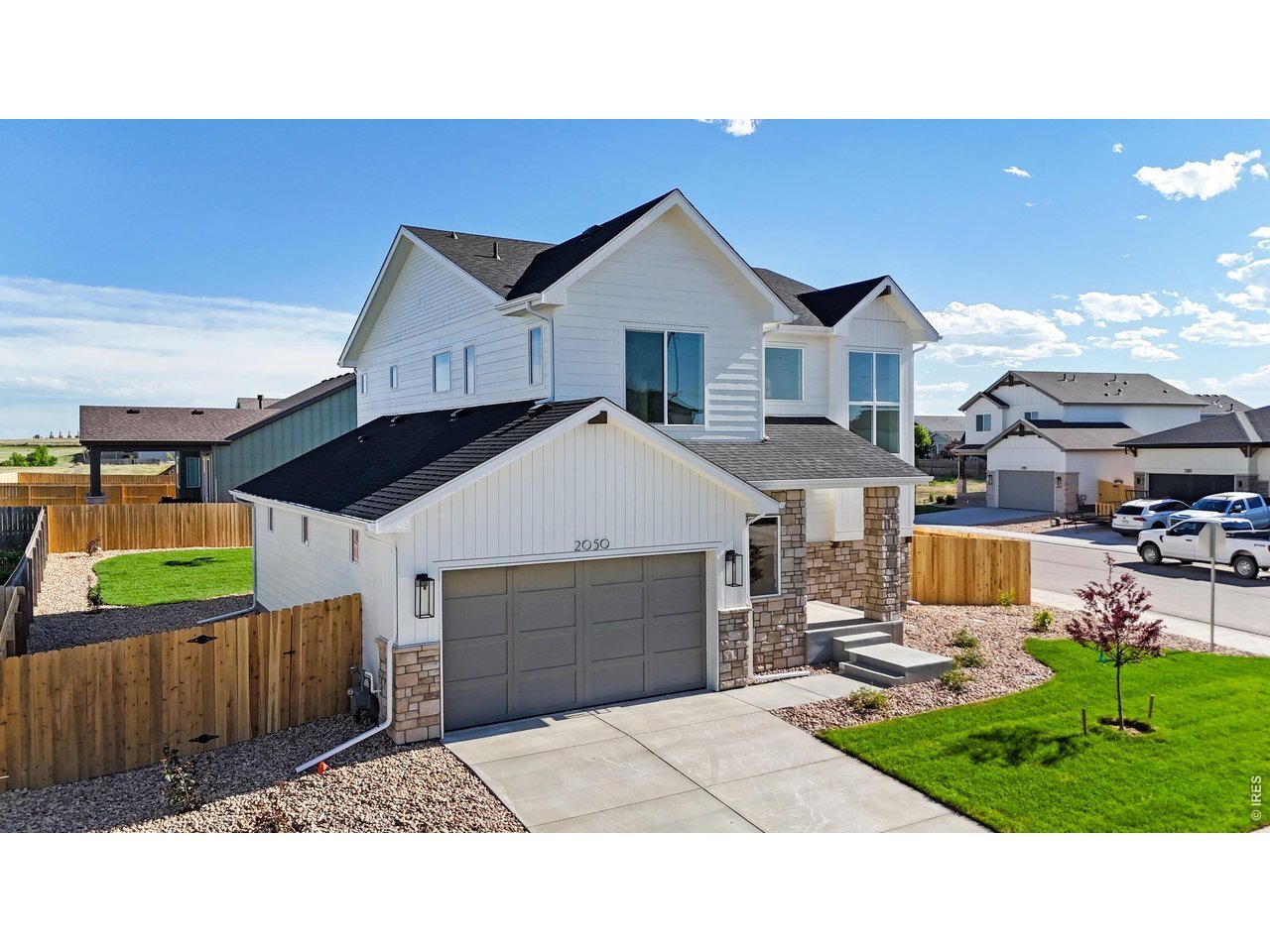
This discernment shapes every designer-crafted home at Greenspire at Windsor Lake, a Windmill Homes Community.
Cohesive Design Throughout
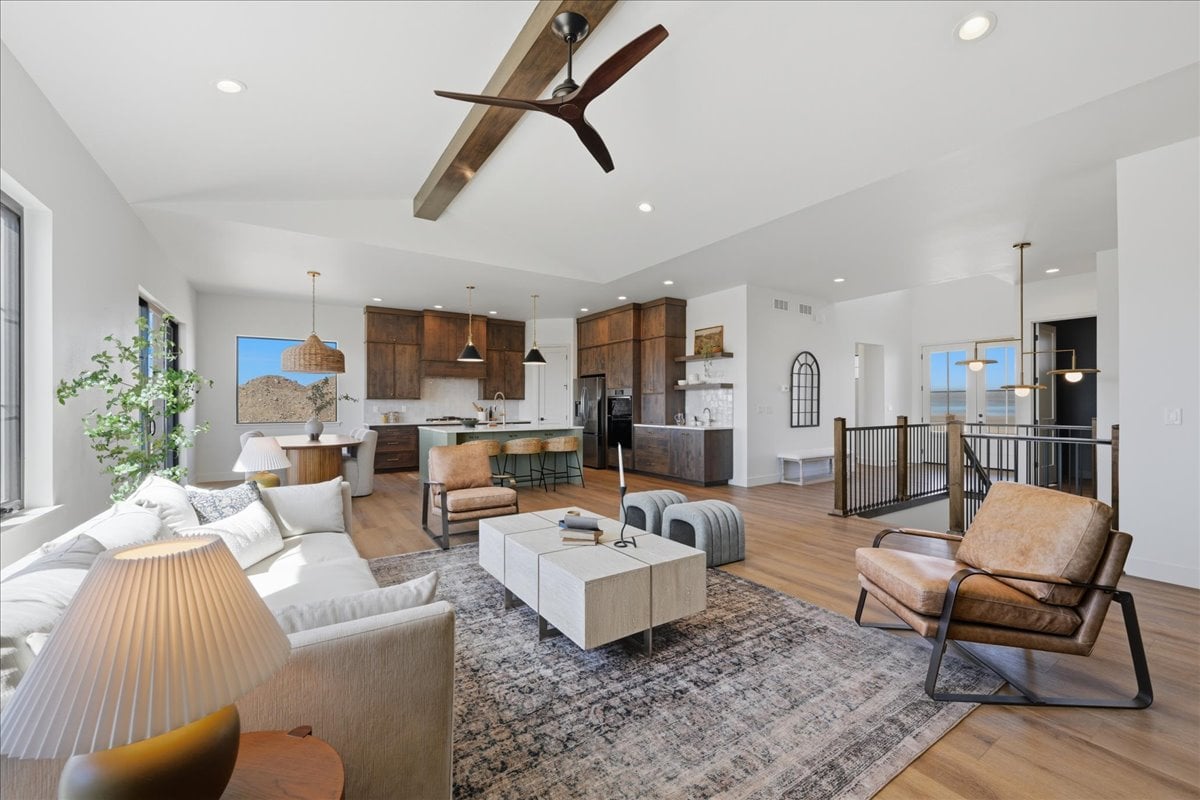
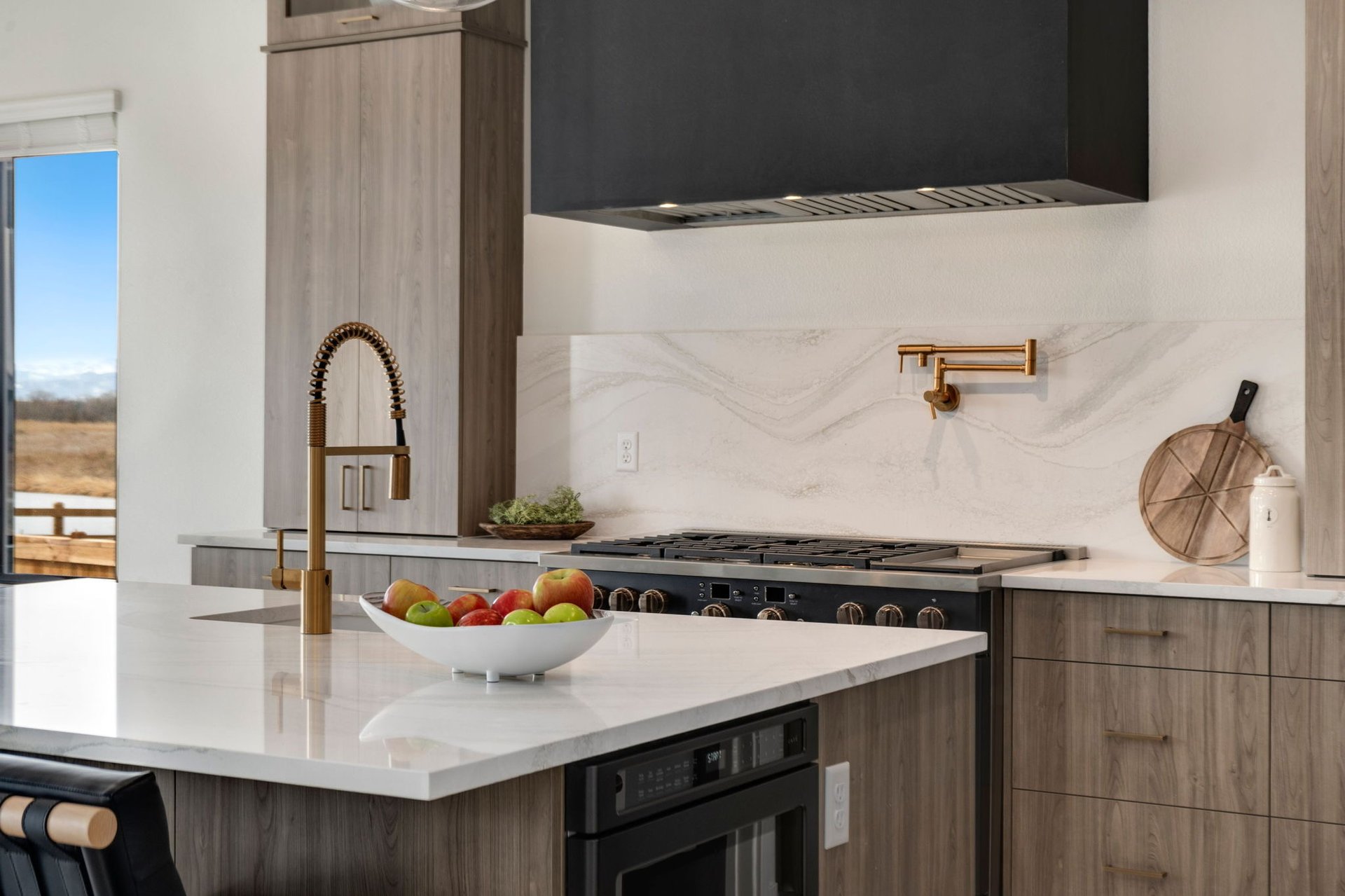
Stained cabinets with 42-inch uppers in kitchens coordinate with bathroom vanities. Quartz countertops with eased, polished edges appear in both spaces. Delta fixtures maintain consistent finishes throughout. The Sherwin-Williams SuperPaint accommodates earthy tones, while water-resistant laminate flooring in warm wood tones provides a natural foundation that complements Windsor Lake views.
Built for Wellness and Daily Life
Varied textures create visual interest: grain in stained cabinetry, subtle patterns in quartz, warmth of wood-look flooring. The 5-piece primary bathroom, with a freestanding tub and frameless shower, creates a spa-like retreat.
Wellness features come standard: R-49 attic insulation for consistent temperatures, AprilAire 800 humidification for Colorado's dry climate, passive radon mitigation, and Amsco Studio Series windows that maximize natural light. The 10x10 patio and covered porch encourage outdoor living, while Greenspire's walkable design connects residents to lake trails and downtown Windsor without driving.
Smart, Sustainable Infrastructure
Practical smart features include Honeywell Prestige programmable thermostats, 200-amp electrical service, 240V EV charging outlets, and pre-wiring for kitchen island outlets. Dimmers in bedrooms and living spaces support different moods, while the soffit outlet simplifies holiday decorating.
Quality materials provide longevity: Owens Corning 30-year shingles, Navien tankless water heater, Uponor PEX water lines, and Delta fixtures with lifetime warranties. "Quality materials often look better—and they continue looking good decades later," Lisa notes. "The quartz countertops we're installing will still be beautiful when trends change."
In Summary: Your 2026 Design Checklist
As you evaluate homes this year, look for these characteristics that define well-designed contemporary spaces:
Design coherence: Finishes and styles that flow naturally from room to room rather than jarring shifts
Warm, natural colors: Earthy palettes with greens, warm neutrals, and tones that reference the natural world
Personality and texture: Varied materials, quality finishes, and details that create visual interest
Wellness support: Natural light, quality air systems, indoor-outdoor connections
Smart infrastructure: Thoughtful tech integration that enhances rather than complicates daily life
Quality materials: Durable, sustainable selections that provide long-term value
These aren't luxury additions—they're increasingly standard expectations for new homes built by designers who understand how people want to live.
Your 2026 Starts Here
If these design principles resonate with how you imagine life in your next home, the designer-crafted residences at Greenspire at Windsor Lake deserve your attention. Each home reflects Lisa White's commitment to cohesive, thoughtful design that balances contemporary trends with timeless livability.
The lakeside setting, walkable access to downtown Windsor, and thoughtfully planned community create the backdrop for homes that support wellness, connection, and daily joy. Explore currently available homes at Greenspire or schedule a tour to experience these design principles in person as you plan your 2026.